Sapiens: A Brief History of Humankind
Score Modern
What it's about
A hundred thousand years ago, at least six species of humans walked the Earth. Today there is only one: us. Historian Yuval Noah Harari tells how Homo sapiens came to rule the planet, through the cognitive, agricultural and scientific revolutions, and how shared stories like money, religion and nations let huge numbers of strangers cooperate.
Why it's worth reading
It's one of the best-selling nonfiction books ever, with about 25 million copies sold, a #1 New York Times bestseller, and on the Guardian's list of the best books of the 21st century. Even readers who argue with it say it changed how they think about history.
You'll love it if you liked
Guns, Germs, and Steel: The Fates of Human Societies, A Brief History of Time or The Sixth Extinction: An Unnatural History
Good to know
It's a big-picture argument rather than a textbook, and some historians dispute its broader claims. It's easy to read in short sessions.
Quick answers
Is Sapiens: A Brief History of Humankind worth reading?
Yes. It's one of the best-selling nonfiction books ever, with about 25 million copies sold, a #1 New York Times bestseller, and on the Guardian's list of the best books of the 21st century. It ranks #53 of the 2,819 books in our ranking, with a Must-Read Score of 88.8 (the best book we found scores 99).
What is Sapiens: A Brief History of Humankind about?
A hundred thousand years ago, at least six species of humans walked the Earth. Today there is only one: us. Historian Yuval Noah Harari tells how Homo sapiens came to rule the planet, through the cognitive, agricultural and scientific revolutions, and how shared stories like money, religion and nations let huge numbers of strangers cooperate.
How long does it take to read Sapiens: A Brief History of Humankind?
About 11 hours (443 pages), or about 3 weeks at 30 minutes a day.
What should I read after Sapiens: A Brief History of Humankind?
If you liked it, try Guns, Germs, and Steel: The Fates of Human Societies by Jared Diamond, A Brief History of Time by Stephen Hawking or The Sixth Extinction: An Unnatural History by Elizabeth Kolbert.
By the numbers
- Readers85 out of 100 · counts 42%
- Critics51 out of 100 · counts 14%
- Bestseller90 out of 100 · counts 34% (its stronger lane)
- Buzz0 out of 100 · counts 10%
Critics and Bestseller are two ways to earn a place: a book's stronger one counts more. Buzz rewards recent bestseller weeks and prizes, so older books start at zero. The parts combine into the Must-Read Score, shown on a scale where the best book we found scores 99 and the last book to make the ranking scores 50.
On the Guardian 100 Best Books of the 21st Century list. One of the best-selling books ever (about 25 million copies).
Where it ranks
- #4 of the 119 science and ideas books we rank
- #11 of the 198 history books we rank
- #26 of the 1,575 modern books we rank
- #53 of the 2,819 books we rank
Bestseller
- One of the best-selling books ever (about 25 million copies)
- #1 New York Times bestseller (1 week at #1)
On the lists
- Guardian 100 Best Books of the 21st Century
Reads as
Thought-provoking, True story
More by Yuval Noah Harari
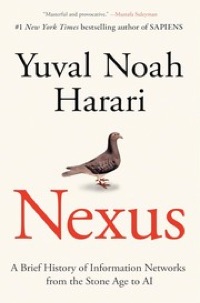 Nexus
If you like this, read next
 The Emperor of All Maladies: A Biography of Cancer
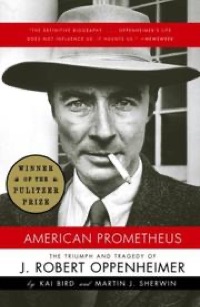 American Prometheus: The Triumph and Tragedy of J. Robert Oppenheimer
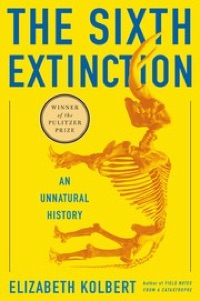 The Sixth Extinction: An Unnatural History
 How to Be an Antiracist
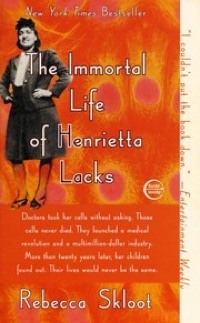 The Immortal Life of Henrietta Lacks
 The Gene: An Intimate History