 The Color Purple
What it's about
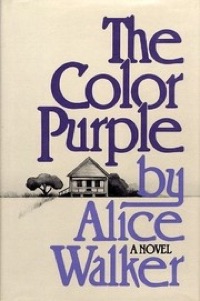
Rural Georgia, early 1900s. Fourteen-year-old Celie is abused by the man she believes is her father, then married off to an older widower she calls only Mister, who treats her as a servant. Her one comfort, her sister Nettie, is driven away. Over some thirty years, told in letters, first to God and then to Nettie, Celie slowly finds friendship, love and her own voice, much of it through the glamorous blues singer Shug Avery. It's a story of survival that becomes a story of joy.
Why it's worth reading
It starts in pain and ends in joy, and the journey between is one of the most moving in American fiction. Celie's voice is so real that you feel you're reading her private letters. It won the Pulitzer Prize and the National Book Award.
You'll love it if you liked
Their Eyes Were Watching God, Beloved or Pachinko
Good to know
The opening pages describe sexual abuse frankly. Celie writes in her own dialect, which takes a few pages to settle into. Under 300 pages.
By the numbers
- Critics90 out of 100 · counts 35%+36
- Readers90 out of 100 · counts 50%+51
- Buzz0 out of 100 · counts 15%+0
Buzz rewards prizes and lists from the last few years, so older books start at zero.
Pulitzer Prize for Fiction winner (1983) and 1 more win. On the BBC's The Big Read list. 4.28★ from 776K Goodreads ratings.
Where it ranks
- #4 of the 256 historical novels we rank
- #2 of the 296 classics we rank
- #6 of the 1,344 books we rank
Won
- Pulitzer Prize for Fiction winner (1983)
- National Book Award (Fiction) winner (1983)
Shortlisted
- NBCC Award (Fiction) finalist (1982)
On the lists
- BBC's The Big Read
Reads as
Thought-provoking, Moving