Thinking, Fast and Slow
Score Modern
What it's about
Nobel Prize-winning psychologist Daniel Kahneman explains the two systems that drive how we think. System 1 is fast, intuitive and emotional; System 2 is slower, more deliberate and more logical. He shows what fast thinking does brilliantly, and the biases and errors it leads us into, from overconfidence to how the framing of a choice changes what we decide.
Why it's worth reading
It brought a lifetime of research into one book and changed how people think about judgment and decision-making, in business, medicine and everyday life. It has spent more than 500 weeks on the New York Times bestseller lists and is on the Guardian's list of the best books of the 21st century.
You'll love it if you liked
Outliers: The Story of Success, Sapiens: A Brief History of Humankind or Never Split the Difference: Negotiating as If Your Life Depended on It
Good to know
It's dense in places and best read a chapter at a time. You'll start noticing your own mental shortcuts everywhere.
Quick answers
Is Thinking, Fast and Slow worth reading?
Yes. It brought a lifetime of research into one book and changed how people think about judgment and decision-making, in business, medicine and everyday life. It ranks #91 of the 2,819 books in our ranking, with a Must-Read Score of 86.8 (the best book we found scores 99).
What is Thinking, Fast and Slow about?
Nobel Prize-winning psychologist Daniel Kahneman explains the two systems that drive how we think. System 1 is fast, intuitive and emotional; System 2 is slower, more deliberate and more logical. He shows what fast thinking does brilliantly, and the biases and errors it leads us into, from overconfidence to how the framing of a choice changes what we decide.
How long does it take to read Thinking, Fast and Slow?
About 12 hours (499 pages), or about 3 weeks at 30 minutes a day.
What should I read after Thinking, Fast and Slow?
If you liked it, try Outliers: The Story of Success by Malcolm Gladwell, Sapiens: A Brief History of Humankind by Yuval Noah Harari or Never Split the Difference: Negotiating as If Your Life Depended on It by Chris Voss with Tahl Raz.
By the numbers
- Readers73 out of 100 · counts 42%
- Critics51 out of 100 · counts 14%
- Bestseller82 out of 100 · counts 34% (its stronger lane)
- Buzz42 out of 100 · counts 10%
Critics and Bestseller are two ways to earn a place: a book's stronger one counts more. Buzz rewards recent bestseller weeks and prizes, so older books start at zero. The parts combine into the Must-Read Score, shown on a scale where the best book we found scores 99 and the last book to make the ranking scores 50.
On the Guardian 100 Best Books of the 21st Century list. 545 weeks on the New York Times bestseller lists since 2011.
Where it ranks
- #5 of the 85 self-help and business books we rank
- #10 of the 119 science and ideas books we rank
- #52 of the 1,575 modern books we rank
- #91 of the 2,819 books we rank
Bestseller
- 545 weeks on the New York Times bestseller lists since 2011
On the lists
- Guardian 100 Best Books of the 21st Century
Reads as
Thought-provoking, Practical
If you like this, read next
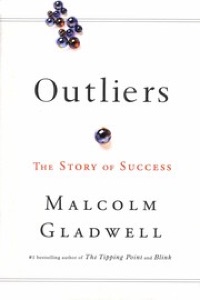 Outliers: The Story of Success
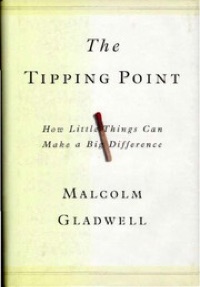 The Tipping Point: How Little Things Can Make a Big Difference
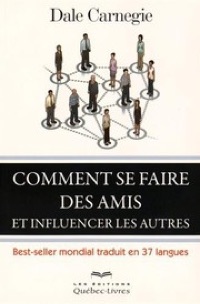 How to Win Friends and Influence People
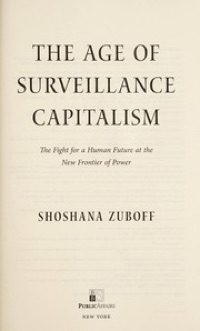 The Age of Surveillance Capitalism
 The Anxious Generation
 Blink